
The era of “box-ticking” compliance is over. AUSTRAC has drawn a line in the sand with its new Anti-Money Laundering and Counter-Terrorism Financing Rules 2025, and the message is crystal clear: procedural compliance without genuine risk reduction won’t cut it anymore (AUSTRAC: New AML/CTF Rules).
This isn’t just another regulatory update you can delegate to your compliance team. It’s a step up to how AML obligations work in Australia, and one that demands you rethink your approach to financial crime prevention (AUSTRAC summary of changes for current reporting entities).
The Death of Tick-Box Compliance
For years, many firms treated AML compliance like a bureaucratic checkbox exercise. Implement the required procedures, document everything, and you’re golden. AUSTRAC CEO Brendan Thomas has explicitly rejected this approach, stating that the regulator now expects “genuine, sustained efforts” to manage money laundering and terrorism financing risks (AUSTRAC speech: Regulating the Game 2025).
The new rules, tabled in Parliament on August 29, 2025, represent more than procedural changes (AUSTRAC: New AML/CTF Rules). They signal AUSTRAC’s evolution from monitoring to being an active director of industry practices. The regulator now focuses on substantive risk management and quality reporting as its two core objectives (AUSTRAC 2025-26 priorities; AUSTRAC summary of changes for current reporting entities).
Notice what’s missing? There is no mention of simply following prescribed steps.
This outcomes focused model means your AML program will be judged not on whether you’ve completed required tasks, but on whether you’ve actually reduced the risk of criminal exploitation of your products and services (AUSTRAC 2025-26 priorities). It’s the difference between having AML systems and processes and having effective AML systems and processes.
What This Means for Your Business Right Now
The timeline is narrow but realistic with current reporting entities needing to comply by March 31, 2026. While newly regulated “tranche 2” entities, including legal professionals, accountants and real estate agents have until July 1, 2026 (Norton Rose Fulbright analysis; AUSTRAC summary of obligations – Reform).
Here’s where AUSTRAC shows some pragmatism. AUSTRAC doesn’t expect perfect compliance from day one. However, they’ve made a crucial distinction between imperfect execution of genuine efforts and what they call “compliance theater.” You need to demonstrate sustained progress, not perfection (AUSTRAC 2025-26 priorities).
For financial services firms, this means taking immediate action to strengthen existing frameworks. Waiting until March 2026 isn’t an option with AUSTRAC expecting to see evidence of your commitment well before the deadline (AUSTRAC 2025-26 priorities).
Fintechs Face the Biggest Shake-Up
If you’re in fintech, this reform hits you harder than most. The “startup approach” to compliance, i.e. minimal procedures, heavy reliance on partner banks, or treating AML as someone else’s problem, is dead in the water.
Cryptocurrency exchanges now face extended obligations covering crypto-to-crypto exchanges, custody wallets, and token issuances. Payment startups offering digital wallets must meet the same rigorous standards as traditional banks. The new technology-neutral “value transfer” framework means every transaction, whether via SWIFT or blockchain, must include complete originator and beneficiary information (FATF Recommendations; FATF virtual assets update); AUSTRAC summary of changes for current reporting entities).
This creates an existential challenge for digital-native firms. You can no longer rely entirely on “Bank-as-a-Service” partners for compliance. Australian banks have already shown they’ll “de-bank” fintechs perceived as compliance risks, so your internal AML capabilities need to be robust (Australian Treasury de‑banking report; AUSTRAC guidance on higher‑risk customers).
The 100,000 New Players
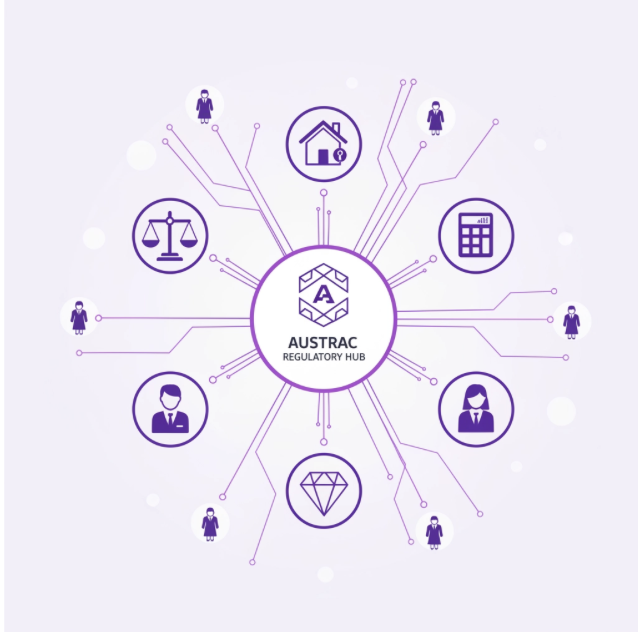
The expansion to tranche 2 entities brings approximately 100,000 new businesses under AUSTRAC oversight (AUSTRAC speech: ACAMS Assembly Australasia 2025). Legal professionals, accountants, real estate agents, and jewelers will join the regulated community, creating a massive expansion of the AML ecosystem (AUSTRAC summary of obligations – Reform).
These sectors have been chosen because criminals exploit complex legal structures and non-financial industries to move and conceal funds (AUSTRAC speech: Integrity Insight Financial Crime Summit 2025). If you’re in one of these industries, you’re not just getting new paperwork … you’re becoming part of Australia’s frontline defence against financial crime.
AUSTRAC recognises the challenge and has committed to substantial support, including sector-specific guidance, webinars, and collaborative consultation. But make no mistake, the standards you’ll need to meet are the same rigorous requirements that banks have lived with for years (AUSTRAC summary of obligations – Reform).
Building Genuine Capability
The shift to outcomes based regulation means you can’t just hire a compliance officer and call it done. You need to build genuine capability to identify, assess, and mitigate money laundering risks throughout your operations (AUSTRAC summary of changes for current reporting entities).
This includes robust transaction monitoring systems, proper customer due diligence processes, and board-level oversight of financial crime risks. For higher-risk scenarios involving politically exposed persons or high-risk jurisdictions, Enhanced Customer Due Diligence is not optional and a must! (AUSTRAC summary of changes for current reporting entities)
The competitive implications are significant. Firms that nail this transition gain substantial advantages with easier banking partnerships, stronger customer trust, and reduced regulatory risk. Those that lag face enforcement action and potential commercial exclusion as partners reduce their exposure to compliance-weak firms (AUSTRAC media releases).
The Intelligence-Driven Future
AUSTRAC’s enhanced intelligence capabilities represent another paradigm shift. The regulator will proactively identify underperforming sectors and guide enforcement priorities based on real risk assessment, not just random audits (AUSTRAC 2025-26 priorities).
This means your AML program needs to be genuinely effective and not just compliant on paper. AUSTRAC can identify patterns across the entire financial ecosystem and will focus attention where risks are highest. If your sector or business model presents elevated risks, expect heightened scrutiny (AUSTRAC 2025-26 priorities).
The regulator’s 2025-26 priorities concentrate the majority of effort on specific focus areas, with virtual asset service providers receiving particular attention due to their decentralised nature and transaction anonymity risks (AUSTRAC 2025-26 priorities).
The Competitive Reality Check
Here’s the uncomfortable truth.
This levels the playing field between traditional financial institutions and digital competitors in ways many fintechs haven’t anticipated. You’ll be held to identical standards of diligence and reporting as established banks (FATF Recommendations).
But there’s an opportunity for firms that embrace this challenge to innovate in compliance just as they have in customer experience. Building genuinely effective AML capabilities becomes a competitive differentiator, not just a regulatory burden.
The winners will be those who recognise that effective financial crime prevention enhances rather than hinders business operations. The losers will be those who continue treating AML as an afterthought or a cost centre.
Your Action Plan
The message from AUSTRAC is unambiguous … start now, be genuine, and focus on outcomes. Whether you are a current reporting entity strengthening your existing frameworks or a tranche 2 entity building capabilities from scratch, taking half-measures won’t work (AUSTRAC 2025-26 priorities; AUSTRAC summary of obligations – Reform).
Invest in proper systems, hire qualified people, and ensure your board understands their oversight responsibilities (AUSTRAC summary of changes for current reporting entities). Most importantly, design your AML program to actually prevent financial crime, not just satisfy regulatory requirements.
The old world of compliance shortcuts and procedural minimums is over. The new world rewards genuine capability and effective risk management.
The choice is yours … evolve with the new paradigm or risk being left behind.
This isn’t just about avoiding regulatory penalties, it’s about building the kind of robust, trustworthy financial services ecosystem Australia needs for the next decade. The firms that understand this distinction will be the ones that thrive in the new regulatory environment.